Living in Littleton Colorado: Downtown, Trails, and Daily Life
June 18, 2026
June 18, 2026
June 18, 2026
If you are looking for a Denver-area community where daily life feels both easy and interesting, Littleton stands out fast. You get a historic downtown that works for real errands and casual nights out, a river trail system woven into everyday routines, and a steady flow of public spaces and events that keep the city feeling active year-round. If you are thinking about living in Littleton, this guide will help you picture what day-to-day life can actually look like. Let’s dive in.
Downtown Littleton is more than a postcard setting. The city describes it as a place for dining, shops, and art galleries, which helps explain why Main Street often becomes part of your weekly rhythm instead of a once-in-a-while destination.
That matters when you are choosing where to live. A downtown area that supports errands, meals, and evening plans can make the whole city feel more connected and convenient.
One of Littleton’s defining features is that its historic core is active, not frozen in time. The Downtown Littleton Historic District includes Main Street, Alamo Avenue, and the streets between them, with a mix of residences, churches, service buildings, and commercial landmarks.
The city also notes that historic districts can allow new construction and updates when changes stay compatible with district character. In real life, that creates a downtown that respects its history while continuing to evolve.
Littleton also offers useful regional access. The city has two RTD light rail stops on the Southwest Light Rail line, including one in downtown Littleton and another at Mineral Avenue and Santa Fe.
For you, that can mean more flexibility in how you move through the metro area. Whether you commute regularly or simply like having a car-light option, transit adds another layer of everyday convenience.
The city’s self-guided historic walking tour begins and ends at the Downtown Littleton light rail station and includes 16 historic buildings. Even though it is a visitor-friendly feature, it also highlights something locals benefit from every day, which is a downtown built for walking and exploring at a comfortable pace.
That kind of layout can shape your routine in small but meaningful ways. A quick coffee stop, a walk before dinner, or a meet-up on Main Street all become easier when the area is designed around connected streets and public spaces.
Littleton’s outdoor appeal is not limited to weekend plans. The city says it has more than 1,400 acres of parks and open space and more than 200 miles of trails, with South Suburban Parks and Recreation managing the trails in Littleton.
That is a big reason the city feels so livable. Outdoor access is built into the community in a way that supports regular routines, not just special outings.
One of the biggest lifestyle draws is South Platte Park and Carson Nature Center. South Suburban Parks and Recreation describes the park as roughly 880 acres along the South Platte River and the Mary Carter Greenway Trail.
The park includes opportunities to fish, kayak, cycle, run, walk, and watch wildlife. It also protects 2.5 miles of the South Platte River and includes natural-surface trails, paved regional trail connections, and wildlife viewing areas.
When a trail network is this established, it tends to become part of daily life. In Littleton, it is easy to picture early walks, bike rides after work, quiet time near the river, or a weekend outing that does not require much planning.
The city’s South Platte corridor planning also reinforces the idea that these spaces function as real infrastructure. Ongoing work has included bridges, trailheads, and added trail segments, which supports long-term outdoor access as part of the city’s everyday framework.
Littleton has the kind of civic rhythm that helps a place feel connected. Beyond parks and downtown storefronts, the city offers recurring public events, cultural spaces, and community institutions that give residents regular reasons to gather.
That can make a real difference when you are evaluating more than just square footage. A city with active public life often feels easier to settle into.
The city’s event calendar includes gatherings such as Meet Greet & Eat, Illuminate Littleton, WWW Opening Night & Little Jam, and Candlelight Walk. Event descriptions highlight live music, performances, fireworks, holiday traditions, and Main Street activity in the heart of downtown.
These events help create a shared rhythm across the year. Instead of relying only on private amenities, Littleton offers public experiences that can become part of your family calendar or social routine.
Western Welcome Week is one of Littleton’s long-running traditions. The Littleton Museum describes it as a nonprofit dedicated to carrying on the tradition of greater Littleton across generations.
That kind of continuity says a lot about a community. It suggests a city that values local identity while making room for new residents to take part in established traditions.
The Littleton Museum is a major local anchor. The city says it is a Smithsonian Affiliate and features living history interpreters, while current programming includes daily farm programs and a summer concert series.
That makes it more than a one-time attraction. It is the kind of place you can return to for repeat visits, low-key weekends, or simple outings that feel close to home.
Littleton also highlights Town Hall Arts Center as a city-owned, privately operated venue offering performing arts experiences for all ages. Bemis Public Library is another important civic space, with extensive programming that adds to the city’s weekly rhythm.
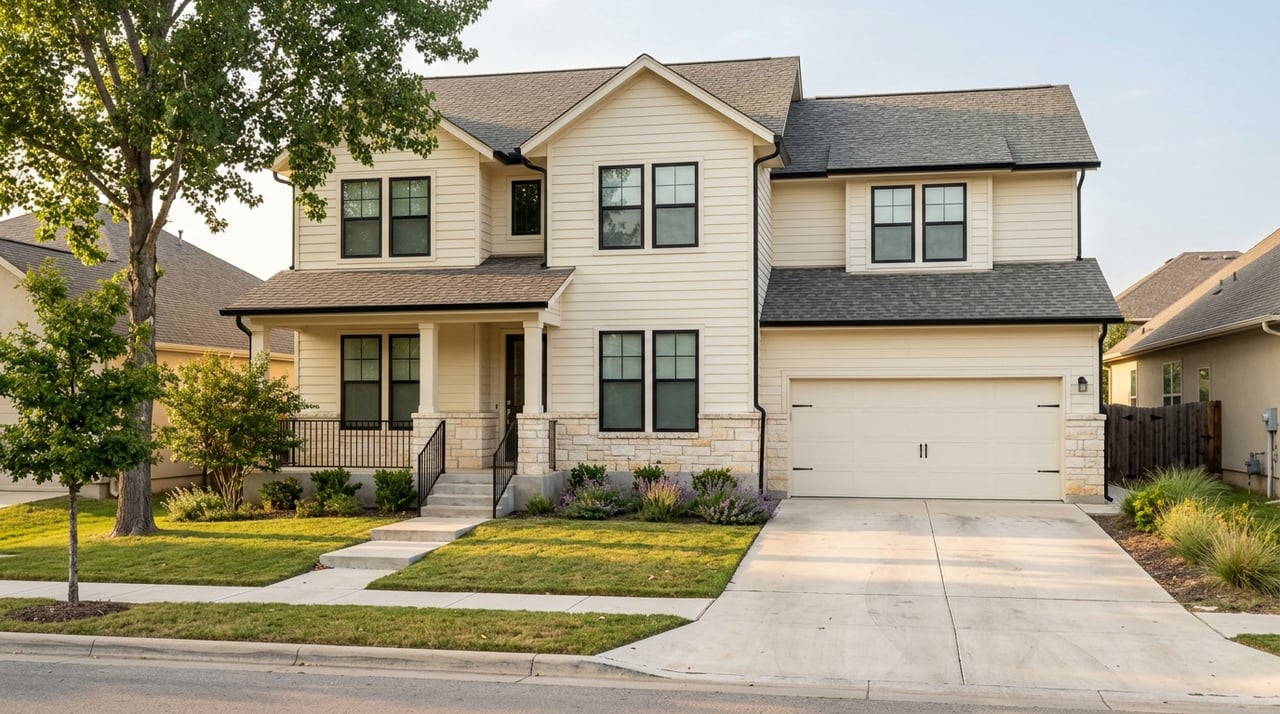
One reason Littleton appeals to a wide range of buyers is that its housing story is not one-note. The city’s historic and newer planning areas support a mix of home styles near the places many people want to spend time, including downtown and the river corridor.
That variety can give you more flexibility as your needs change. You may be looking for historic character, lower-maintenance living, or a location close to trails and mixed-use areas.
Near downtown, Littleton’s historic residential pattern includes bungalow-era and early 20th-century detached homes. The Louthan Heights Historic District, located four blocks east of downtown, is noted for bungalow dwellings and other early 20th-century house types, including single-family houses.
For buyers who value established architecture and proximity to downtown, this part of Littleton helps tell a clear story. You can find residential areas tied closely to the city’s older development pattern while staying near modern conveniences.
Recent planning documents point to a broader mix in other parts of the city. RiverPark design standards identify a River District adjacent to South Platte Park as the principal location for multi-family residential uses, while the Harvest District allows retail and commercial uses with limited residential and senior living.
A separate Littleton site plan guide also shows single-family attached forms such as stacked flats, row houses, and triplex units as part of the city’s newer housing vocabulary. Together, these patterns support a lifestyle mix that includes detached homes, townhome-style options, apartments, and mixed-use residential forms.
Littleton works well because its biggest assets connect to each other. Downtown gives you a central place for meals, shops, transit access, and events, while the South Platte corridor adds recreation, open space, and room to reset.
That combination creates a compact and repeatable daily rhythm. For many buyers, that is what turns a place from appealing on paper into practical in real life.
If your schedule is busy, Littleton offers several features that can simplify your week. Light rail access, walkable downtown blocks, and a strong trail system can support a routine that blends commuting, errands, and outdoor time without feeling scattered.
If you are planning around shared activities and public spaces, Littleton offers a broad mix of options. Museum farm programs, library programming, downtown events, and access to parks and trails can all become part of your regular routine.
If you want a pace that feels engaged but manageable, Littleton offers a compelling balance. Morning walks near the river, museum visits, library stops, and seasonal events downtown can add variety to your week without requiring long drives or complicated planning.
What makes Littleton memorable is not just one landmark or one housing type. It is the way historic downtown, the South Platte River corridor, and year-round civic activity all work together to support daily life.
If you are searching for a place that feels grounded, connected, and easy to enjoy on a regular basis, Littleton deserves a closer look. And if you want help finding the right fit, Kerri Dowling can help you explore Littleton with local insight and a personalized approach.
Stay up to date on the latest real estate trends.

We can't wait to connect with you! Your real estate journey starts here, where you'll have the opportunity to sit down with Kerri Dowling for a personalized consultation.