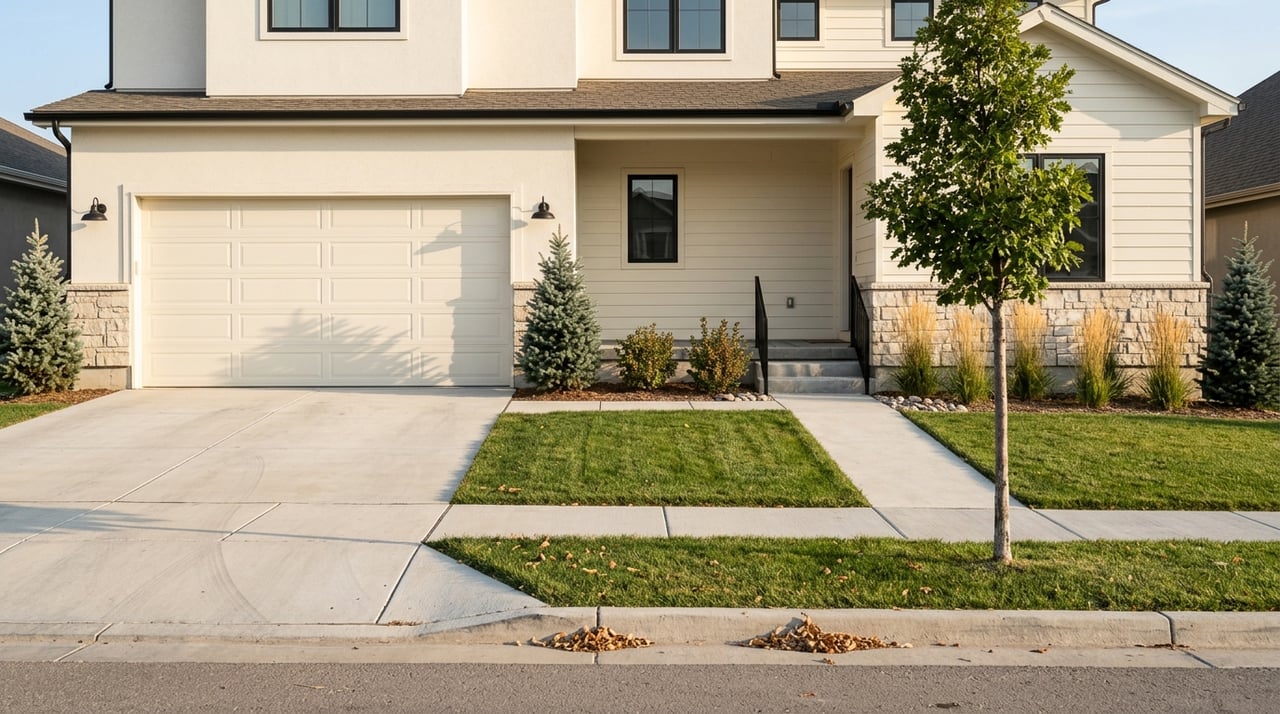
Understanding Highlands Ranch Villages And What They Offer Buyers
July 16, 2026
July 16, 2026
July 16, 2026
If you have started looking at Highlands Ranch, you have probably noticed something quickly: not every "village" feels the same. That can make your search confusing, especially when two homes with similar prices offer very different HOA structures, home styles, and amenity access. The good news is that once you understand how Highlands Ranch is organized, you can compare options with a lot more confidence. Let’s dive in.
Highlands Ranch is an unincorporated community in Douglas County with more than 103,000 residents. Instead of city neighborhoods driving most differences, buyers are usually comparing HOA structure, housing type, and access to amenities.
The community operates through a layered setup. The Highlands Ranch Metro District handles parks, trails, open space, and related infrastructure, while the Highlands Ranch Community Association, or HRCA, manages covenant enforcement and recreation.
HRCA identifies four larger neighborhoods within Highlands Ranch:
That sounds simple at first, but there is more to it. HRCA also notes that some areas have their own neighborhood associations or sub-associations with separate boards and assessment fees, and its delegate system divides Highlands Ranch into 94 districts.
For a buyer, that layered structure matters because you are often not choosing between just four broad areas. You are usually comparing a specific sub-association, condo community, townhome area, or detached-home neighborhood.
In practical terms, that can affect your monthly or quarterly costs, how much exterior maintenance you handle, what shared spaces are maintained for you, and how close you are to the recreation features you actually plan to use. A home in Highlands Ranch is never just about the address.
It is also about the rules, dues, and lifestyle attached to that specific part of the community. That is why broad statements like “this village is best” are usually not very helpful.
One of the biggest advantages for buyers is the range of housing options. HRCA describes Highlands Ranch as offering everything from homes that may appeal to first-time buyers to custom homes, and its residential directory shows a wide mix of property types.
Depending on the village or sub-association, you may find:
Examples in the community include Gleneagles Village +55, The Retreat +55, Palomino Park, Gold Peak, Silver Mesa, Highland Walk Condominiums, Tresana Condos and Townhomes, Stoneybridge Villas Townhome Association, Westridge Knolls, Firelight at Highlands Ranch, and Backcountry.
Highlands Ranch did not appear all at once. HRCA says the first residents moved in in 1981, and the community is now nearly complete.
That long build-out helps explain why village identity matters so much. Home age, lot layout, and architectural style can vary noticeably from one area to another, so two homes in Highlands Ranch may offer very different living experiences even if they are not far apart.
For you as a buyer, this means it is smart to compare the era of construction and overall neighborhood pattern, not just the square footage. A newer attached community and an older detached-home area can serve very different goals.
Amenities are a major part of the Highlands Ranch lifestyle, but they are not identical from one area to the next. The Metro District maintains 26 parks, more than 70 miles of trails, and 2,644 acres of open space.
There is also the Backcountry Wilderness Area, which adds 8,200 acres of conservation land and 26 miles of trails open to members and accompanied guests. If outdoor access matters to you, proximity to these spaces can shape your day-to-day routine.
The trail system itself is varied. According to the Metro District, it includes concrete, crusher-fine, and single-track segments, so the trail experience is not uniform across the community.
Another major differentiator is access to HRCA’s four recreation centers. Each one has a distinct amenity profile, which means your preferred center may influence where you want to focus your search.
| Rec Center | Notable Features |
|---|---|
| Northridge | Tennis pavilion, 10 racquetball courts, aqua climbing wall, golf simulator, hot yoga |
| Eastridge | Indoor and outdoor pools, climbing wall, two gymnasiums, sand volleyball, HRCA offices |
| Southridge | Pottery studio, auditorium, indoor pool features, outdoor tennis, golf and multisport simulator |
| Westridge | Indoor turf, batting cages, six outdoor pickleball courts, cold plunges, infrared sauna |
If you use fitness amenities several times a week, a few extra minutes of driving can matter. Buyers often focus on the house first, but in Highlands Ranch, the right amenity fit can be just as important.
One of the most important things to review before making an offer is the assessment structure. In 2026, the standard HRCA assessment is $174 per quarter, made up of $16 for administrative functions and $158 for recreation functions.
HRCA also says that some subdivisions have an annual administrative-only assessment of $64. These include Gleneagles Village, The Retreat, The Villages, and Palomino Park, including Gold Peak and Silver Mesa.
Those neighborhoods may add a separate recreational assessment if they opt into HRCA facility use. This is a great example of why buyers need to review the specific sub-association instead of assuming all Highlands Ranch dues work the same way.
Village differences are not just about cost. They can also affect what you are responsible for maintaining.
Because some areas have separate neighborhood associations, exterior maintenance obligations, common-area upkeep, or pool-related dues may differ. That is an HOA structure issue, not simply a location issue.
If low-maintenance living is high on your list, attached-home or age-restricted communities may deserve a closer look. If you want more private outdoor space or a more traditional suburban lot, detached-home neighborhoods may be a better fit.
When buyers feel overwhelmed by Highlands Ranch options, it helps to use a clear comparison framework. Instead of trying to rank villages from best to worst, focus on the factors that matter most to your daily life and budget.
Here are five smart ways to compare:
Look at the base HRCA assessment and any additional sub-association fees. Make sure you understand what each fee covers and whether recreation access is included.
Do not assume every part of Highlands Ranch offers the same housing mix. Decide whether you want a condo, townhome, attached property, detached home, or age-restricted community first, then narrow your options.
Some communities may handle more exterior upkeep or shared amenities than others. This can affect both your monthly costs and how much hands-on maintenance you will manage.
If you care most about pickleball, pool access, trails, or Backcountry access, center your search around those features. Convenience matters more when it fits your real routine.
Lower-maintenance attached-home villages may appeal to buyers who want simpler upkeep, while detached-home neighborhoods may work better if you want more space. The best choice is the one that aligns with how you want to live.
The most useful way to understand Highlands Ranch villages is to stop thinking of the community as one uniform neighborhood. It is better to think of it as a collection of distinct sub-associations and housing options inside a larger, highly amenitized community.
That shift can make your search much more productive. Instead of asking which village is universally better, ask which village best matches your budget, your comfort with HOA structure, your preferred home type, and the amenities you will use most.
If you want help narrowing down Highlands Ranch options, comparing sub-association details, or finding the right fit for your lifestyle, Kerri Dowling can guide you through the process with clear local insight and responsive support.
Stay up to date on the latest real estate trends.
We can't wait to connect with you! Your real estate journey starts here, where you'll have the opportunity to sit down with Kerri Dowling for a personalized consultation.