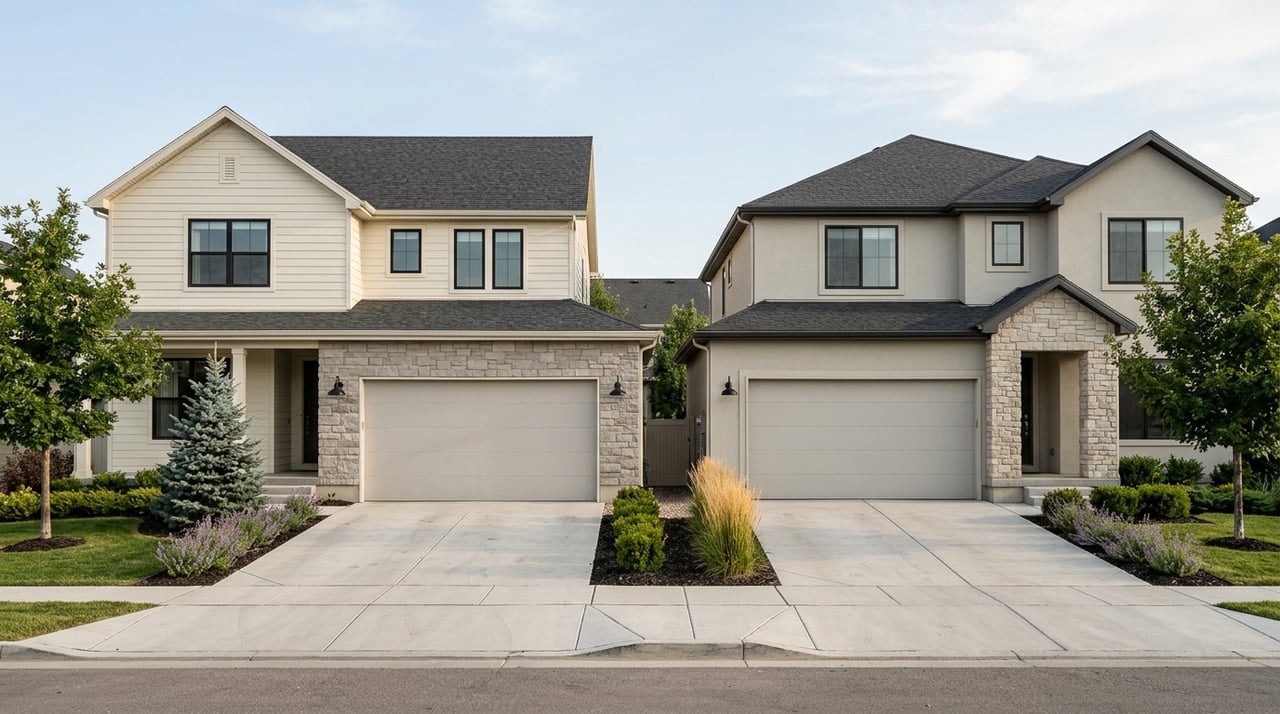
Parker Master Planned Communities: A Buyer’s Guide
July 2, 2026
July 2, 2026
July 2, 2026
If you are searching in Parker, one word can change your whole buying experience: community. In 80134, a master-planned community often means more than a group of homes. It can include layered planning, shared amenities, design rules, HOA oversight, and sometimes a metro district with its own taxes or service costs. If you understand how that system works before you buy, you can make a much more confident decision. Let’s dive in.
In Parker, master-planned communities are shaped by both town planning and project-specific rules. The Town of Parker uses a broader planning framework that includes documents like the Parker 2035 Master Plan, transportation planning, open space and trails planning, and area plans that guide long-term growth.
The town is also refining its Parker 2050 Comprehensive Plan, which is intended to guide zoning decisions, capital projects, and private development review. That matters to you because a master-planned neighborhood is not just a builder concept. It is part of a larger local planning system that influences how a community looks, functions, and changes over time.
Parker’s Land Development Ordinance allows for Planned Development, often called PD zoning. The town says this district is meant to support innovative development, creative design, and a higher level of amenities and public benefits than a standard zoning district typically provides.
For buyers, that usually translates into a more coordinated neighborhood experience. Streetscapes, open spaces, amenities, and architectural consistency are often more intentional in these communities because the development guide approved for that project becomes part of the code for the community.
Parker also uses detailed design standards to encourage high-quality architecture and preserve the town’s small-town character. In a master-planned community, that coordinated look often comes from two layers working together: town review and private community rules.
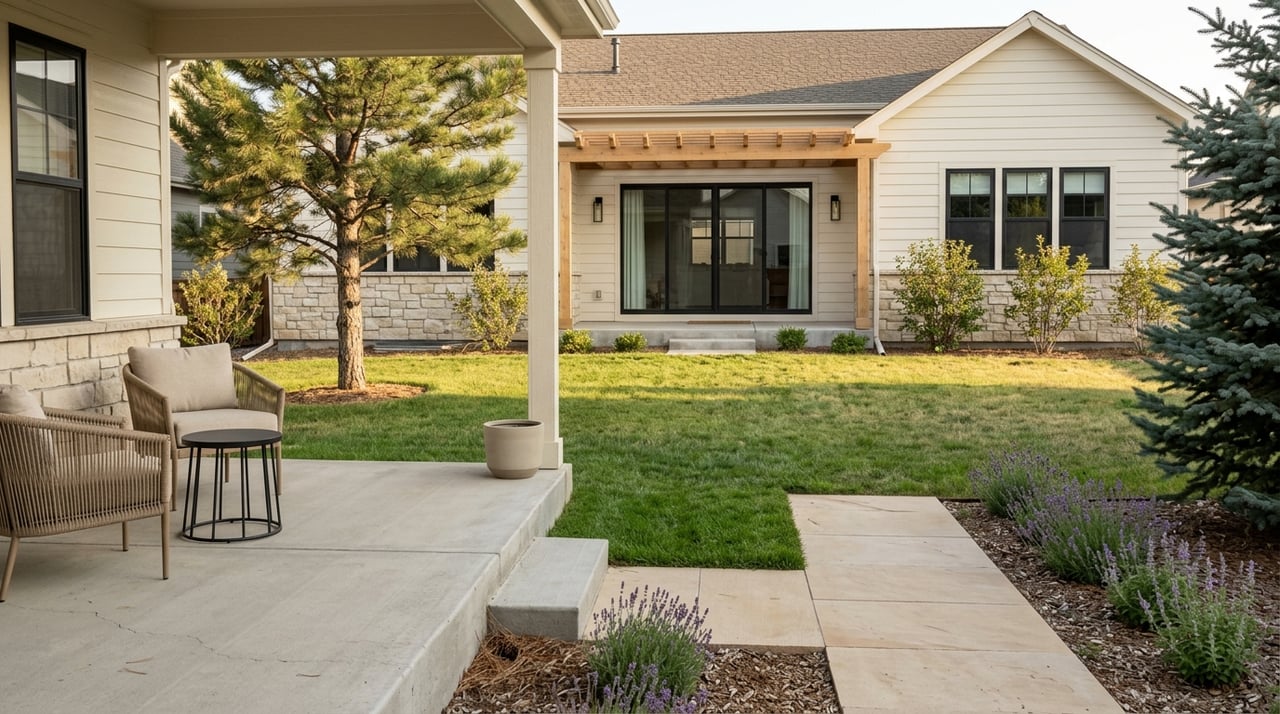
That is why many neighborhoods feel polished and cohesive from the entry monument to the trails, parks, fencing, and home exteriors. If consistency and shared amenities matter to you, this structure can be a real advantage.
When you buy in one of Parker’s master-planned communities, you are usually buying more than a house and lot. You may also be buying into a system for maintaining common areas, managing amenities, reviewing exterior changes, and funding infrastructure.
That can be a great fit if you want trails, pools, parks, design consistency, and community spaces maintained through a shared structure. It can also mean more rules, more documents to review, and more recurring costs than you might see in a more traditional subdivision.
One of the biggest points of confusion in Parker is the difference between an HOA and a metro district. They are not the same thing, and in many communities both may exist at the same time.
An HOA typically manages common property and enforces community rules related to use and maintenance. Under Colorado law, HOAs are also required to keep and make available key records such as fee schedules, financial statements, reserve balances, insurance policies, and meeting minutes.
A metro district is a quasi-municipal entity that can finance infrastructure, issue bonds, and levy property taxes or fees to repay debt. Depending on the community, a metro district may be involved in services like water, wastewater, streets, parks, recreation, storm drainage, or transportation-related improvements.
This structure affects daily life more than many buyers expect. In one neighborhood, your HOA might handle design approvals and covenant questions while a metro district handles utilities, amenities, irrigation, or billing.
Stonegate is a clear example of how that split can work. There, the district directs covenant, parking, trash, and modification questions to the HOA, while the district handles items like billing, water, wastewater, parks and recreation, irrigation, fencing, pool access, and tennis courts. That means understanding who does what is essential before you close.
Not all master-planned communities offer the same type of lifestyle. Some are newer and still growing, while others are more mature and have established amenities, governance routines, and a clearer sense of how the neighborhood functions.
Tanterra shows the scale a Parker master-planned community can reach. At full build-out, the community says it will include 3,300 homes across 1,200 acres, with 286 acres of open space and 50 acres of neighborhood parks.
Its 30-acre Trailhead Park includes a single-track bike trail, multi-purpose turf areas, shade structures, trails, and a pool. The community also plans a main park with a clubhouse, pool, playground, and sports courts. For buyers considering new construction, that gives a good example of how amenities can be a major part of the value story.
Idyllwilde offers a different type of example. Its Grand Hall serves as a resident space for events, hanging out, and working out, and resident access is controlled by key fob.
The HOA also holds board meetings at the clubhouse every other month, and owners must submit drawings and receive approval before starting exterior improvements. For buyers, this is a reminder that established amenities often come with established review processes too.
One of the most important practical details in Parker is that maintenance is often shared across different parties. You, the HOA, the metro district, and the town may each be responsible for different parts of the community.
For example, the Town of Parker says homeowners must clear sidewalks adjacent to their property within 48 hours after snow or ice. At the same time, common-area landscaping, medians, dog-waste stations, and many playgrounds are often maintained by an HOA or metro district.
Before you buy, it helps to ask very specific questions about upkeep. Who handles the pool? Who maintains neighborhood fencing? Who manages irrigation, trails, or clubhouse access? Who pays for repairs if an amenity needs major work?
The answers may not all be in the same place. In many Parker communities, you need to review both HOA materials and metro district information to get the full picture.
This is a detail many buyers miss. A Parker mailing address in 80134 does not automatically mean the home is inside the Town of Parker.
Parker ZIP codes extend beyond town boundaries into unincorporated Douglas County and Elbert County. That can affect jurisdiction, services, and which local authority oversees certain issues. If town limits matter to you, verify the property’s exact jurisdiction instead of relying on the mailing address alone.
In a master-planned community, your experience is shaped not only by what exists today but also by what is still being built around you. Some neighborhoods are largely complete. Others are still adding homes, parks, roads, or commercial support nearby.
Parker also has active capital projects around Parker Road, Lincoln Avenue, Jordan and Newlin Gulch, Stroh Road, and Twenty Mile. These projects can influence access patterns and traffic flow, especially in growing parts of 80134.
If you are choosing between a newly developing neighborhood and a resale home in a more established one, the difference is often bigger than the age of the house. You are also comparing current amenity access, nearby construction, future traffic patterns, and how much of the long-term community vision is already in place.
That is why buildout status should be part of your due diligence. A beautiful model home is only one piece of the decision.
In general, Parker’s master-planned communities tend to offer more structure in exchange for more coordinated amenities and design consistency. That can mean stronger visual cohesion, more shared recreation spaces, and clearer common-area maintenance systems.
A more traditional subdivision may have fewer layers of governance and fewer shared features. It may also rely more heavily on the town for basic infrastructure and park support. Neither option is automatically better. The best fit depends on how much structure, oversight, and shared amenity cost you are comfortable with.
Before you buy in a Parker master-planned community, make sure you review the basics that have the biggest impact on ownership:
Master-planned communities in Parker can offer a very appealing lifestyle. You may get trails, parks, recreation, coordinated design, and a neighborhood feel that has been intentionally shaped over time.
The key is knowing what sits behind that experience. If you understand the roles of the town, the HOA, and any metro district, and you review the right documents before making an offer, you can choose a community that fits both your budget and your day-to-day priorities.
If you want help comparing Parker neighborhoods, reviewing what a specific community structure means for your purchase, or narrowing down the right fit in 80134, Kerri Dowling can help you move forward with clear, local guidance.
Stay up to date on the latest real estate trends.
We can't wait to connect with you! Your real estate journey starts here, where you'll have the opportunity to sit down with Kerri Dowling for a personalized consultation.