
Choosing Between Parker New Construction and Resale Homes
December 18, 2025
December 18, 2025
December 18, 2025
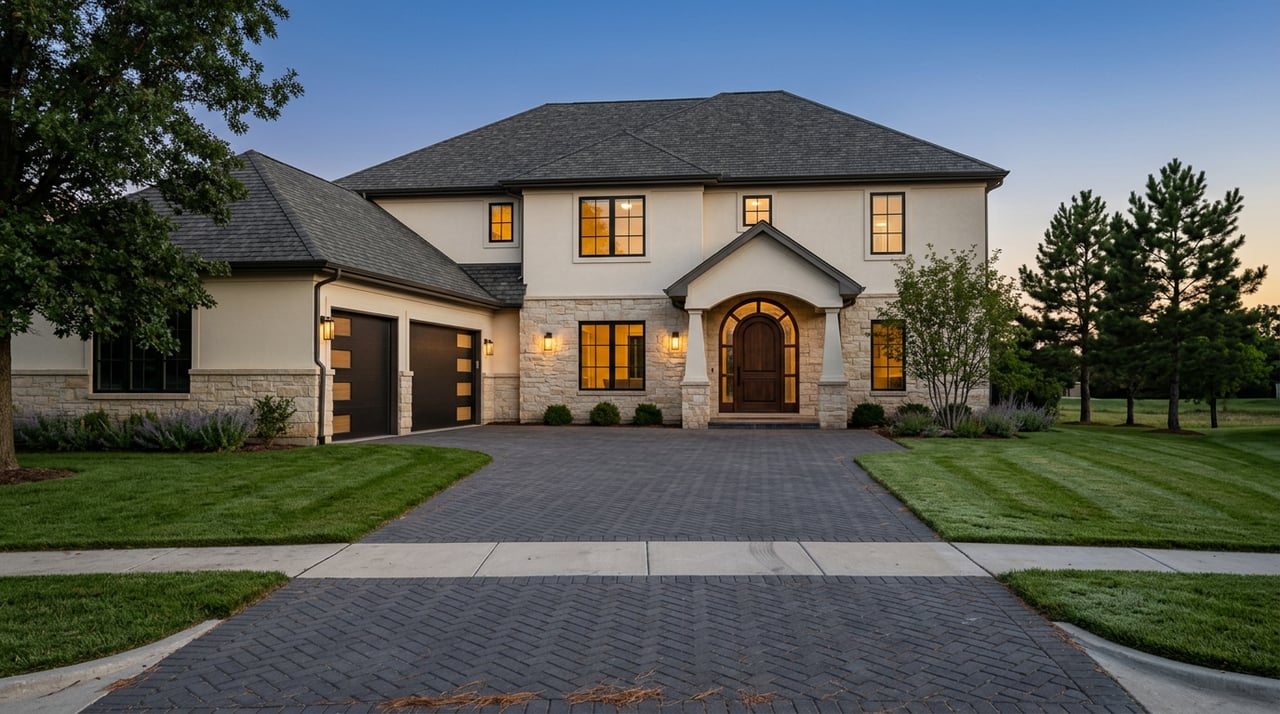
Trying to decide between a brand-new build and a resale home in Parker’s 80134? You are not alone. With active new communities and solid resale options, the right choice depends on your budget, timing, and comfort with the process. In this guide, you will learn how price, incentives, timelines, taxes, appraisals, and warranties stack up, so you can buy with confidence. Let’s dive in.
New construction pricing starts with the builder’s base price and grows with lot premiums and design upgrades. Many “starting at” prices exclude items like upgraded countertops, flooring, landscaping, and window coverings. The finished price you pay is the base price plus structural options, design center selections, and the lot you choose.
Resale pricing is set by the market and anchored by recent comparable sales nearby. You also benefit from existing upgrades and landscaping that are already in place. You can see how a home’s condition and updates influence value through local comps.
To compare apples to apples, line up the full costs:
Builders often offer rate buydowns, closing cost credits, or upgrade allowances. These can meaningfully reduce your monthly payment or cash to close. Always ask if incentives require using the builder’s preferred lender or title company, and request details in writing.
Lenders limit how much the seller can contribute to your costs. The way an incentive is documented can affect underwriting and appraisal. Have your lender review the contract language to confirm how credits or buydowns will be applied.
Before you commit, get clear answers in writing:
If you need to move quickly, an inventory or spec home may be ready now or within a few months. This gives you new construction quality with a shorter path to closing. It can also reduce appraisal risk if similar homes have recently closed nearby.
A to‑be‑built home usually takes 6 to 12 months, sometimes longer. Delays can come from permit reviews, inspections, supply chain issues, labor availability, weather, or change orders. Build-to-order gives you more choice on finishes, but you will need to plan your housing timeline carefully.
Ask the builder to document key timing items:
Most builders provide a layered warranty package. A common structure is one year for workmanship and materials, two years for systems like plumbing, electrical, and HVAC workmanship, and up to ten years for major structural defects. Many builders use third-party providers, which gives you a standardized claims process.
Resale homes do not include broad builder warranties. Your protection comes from seller disclosures, a thorough home inspection, and any transferable warranties on systems or appliances. Plan for maintenance or upgrades that older homes may need.
Protect yourself by reviewing warranty documents before you sign:
Many Parker subdivisions use metropolitan or special districts to fund roads, utilities, parks, and amenities. These districts repay bonds through additional property taxes. That means a new home can have higher annual property taxes than a similarly priced resale outside a district.
Before you pick a lot, ask for the district’s current mill levies, bonded debt, and an estimated tax amount for the home you are buying. Review recent district budgets and the expected tax impact as home values change. Include the district tax estimate in your total monthly payment analysis, not just county taxes.
Your action steps:
Resale appraisals rely on nearby comparable sales, which gives a clear value picture. New construction can be trickier if there are few closed sales in the subdivision. Appraisers may lean on the cost approach or limited comps, which can lead to a lower value than your contract price and create an appraisal gap risk.
Inventory homes in a built-out phase often appraise more smoothly. To-be-built homes in early phases have higher appraisal uncertainty. Work with your lender early to discuss options in case of a gap.
Inspection timelines are different too. For new builds, you can schedule a pre-drywall inspection to review framing, electrical, and plumbing rough-ins, then a final inspection and punch list before closing. Independent inspectors commonly catch items that a builder walk-through might miss.
For resales, you will do a general inspection and add specialists as needed, such as sewer scope or roof. Always confirm your contract allows for the inspections you want, and build time in for re-inspections before closing.
Inventory homes in new communities can deliver new-build benefits with shorter timelines. They may also come with price adjustments or incentives. Whichever path you choose, focus on total cost of ownership over the first 5 to 10 years, including mortgage, taxes, HOA, utilities, and maintenance.
A builder’s sales team represents the builder. They do not provide fiduciary advice to buyers. Having your own agent ensures someone is negotiating on your behalf, explaining contract terms, coordinating inspections, and reviewing disclosures and metro district documents with your interests in mind.
Choosing between new construction and resale in Parker’s 80134 is about fit. If you want customization, modern systems, and can manage a longer timeline, new construction can be a great match. If you need speed, prioritize established neighborhoods, or prefer known comps, resale may serve you better. When you are ready to compare specific homes side by side, reach out for local insight and a clear plan.
Ready to move forward with confidence in 80134? Connect with Kerri Dowling for a tailored game plan and expert representation from first tour to closing.
Stay up to date on the latest real estate trends.
We can't wait to connect with you! Your real estate journey starts here, where you'll have the opportunity to sit down with Kerri Dowling for a personalized consultation.