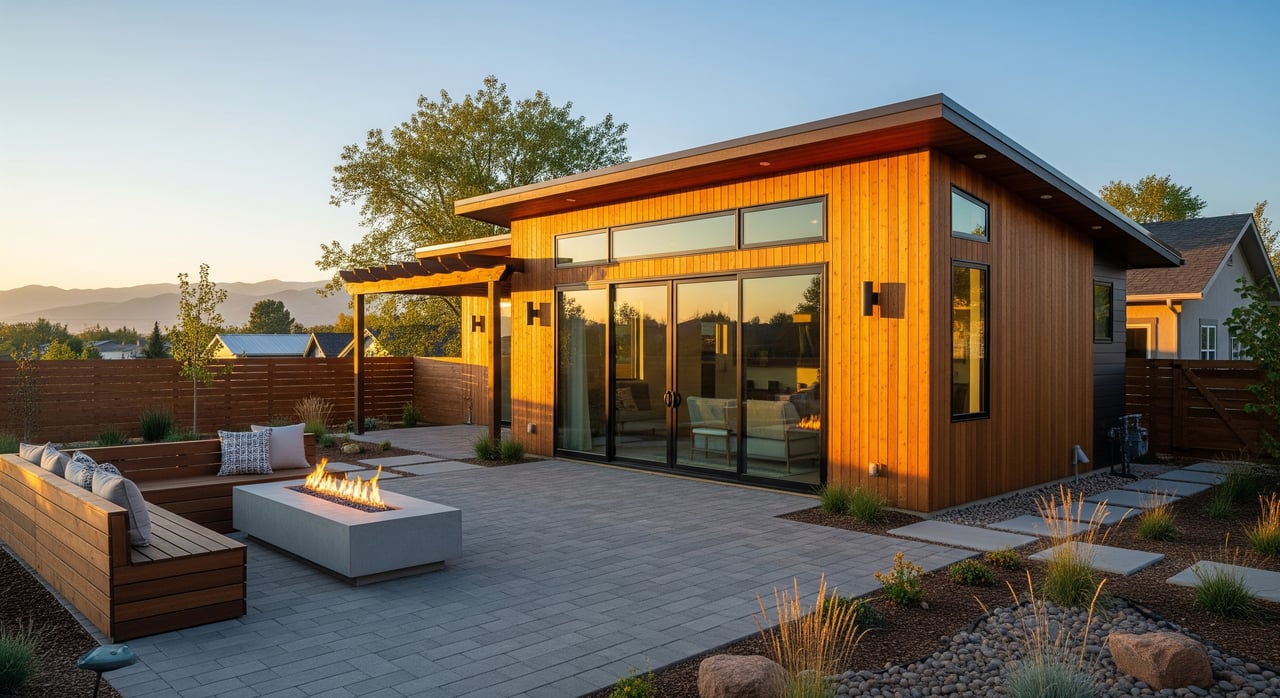
Aurora ADU Design Ideas for Detached Backyard Units
October 16, 2025
October 16, 2025
October 16, 2025
Thinking about turning your Aurora backyard into a flexible living space that pays you back? An accessory dwelling unit can create room for family, generate rental income, or boost resale appeal. The key is designing it right for Aurora’s rules, climate, and lots. In this guide, you’ll learn what is allowed, what it costs, how to pick the right ADU type, and smart design moves that make a small space live large. Let’s dive in.
Colorado’s new state law sets a baseline for ADUs across many cities, including Aurora. It requires an objective, administrative review and limits rules that used to slow projects, such as mandatory owner occupancy or extra parking in many situations. You can review the state’s overview on accessory dwelling units for high-level guidance and timelines. Explore Colorado’s ADU overview.
Aurora’s existing Unified Development Ordinance historically governed things like lot size, alley access, setbacks, and materials for detached ADUs. Local text is being updated to align with state law, but it still informs current placements and size caps. Check the ADU section of the UDO before you sketch. See Aurora’s ADU standards in the UDO.
What this means for you:
First, confirm whether your property is inside the City of Aurora or in unincorporated Arapahoe County, because the process differs. The county has its own ADU permit application and fee guidance for properties outside municipal boundaries. Review Arapahoe County’s ADU permit page.
Next, note the site features that affect design:
If you are unsure how new state rules affect your lot, ask Planning for the current administrative checklist before finalizing a design.
Converting a basement or attic is often the least expensive path. You can move faster if ceiling heights, egress, and ventilation meet code. A separate entrance and good sound separation make the space more livable for guests or renters.
An addition shares a wall and utilities with the main home. It typically costs less than a detached cottage and can be designed with one-level living in mind. If your rear yard is tight or setbacks are limiting, an attached layout is a practical middle ground.
A detached unit offers the most privacy and strong market appeal. It usually costs more because it needs a new foundation and utility runs. Historically, Aurora supported detached ADUs on alley lots, and state law may broaden your options. Confirm setbacks, height, and placement early.
In 500 to 750 square feet, open plans work best. Keep living and kitchen areas open, use built-in storage, and choose a stackable washer and dryer. Place larger windows in living areas to capture Aurora’s abundant sunshine, then add shade where afternoon heat can build. For local climate context, review typical sun and seasonal conditions. See Aurora’s climate snapshot.
Aurora enforces the 2021 IECC, so expect modern insulation and energy performance requirements. Consider high-efficiency heat pumps for heating and cooling and an electric or heat-pump water heater. If your roof is suited for solar, prewire now to save costs later. Review Aurora’s adopted codes.
Give your ADU a clear, well-lit entry and consider a zero-step threshold if you are planning for long-term accessibility. Use sound-isolation details where an ADU shares walls or floors with the main home. Place windows and outdoor areas to protect privacy for both households.
Plan for water, sewer, and electric needs early. Some properties require new taps or service upgrades, which add time and cost. The county’s permit materials highlight potential tap or connection fees, and similar considerations apply within Aurora. Check county guidance on fees and utilities.
Parking rules are shifting under state law. If your property already has off-street parking or a driveway, added spaces may not be required. Document existing parking and ask Planning how current standards apply on your block. For broader context on what the state allows, review Colorado’s ADU page. Learn how state law affects parking.
Costs vary by type and site conditions:
Watch the big drivers: utility tap or meter upgrades, foundation and site work, permit and plan review fees, and finish level. For help on the financial side, Colorado created an ADU Grant Program for supportive jurisdictions and directed CHFA to offer financing tools for eligible borrowers. Keep an eye on grant cycles and local fee reductions. Read about Colorado’s ADU Grant Program.
Pro tip: Ask if pre-approved plan sets are available. Standard plans can lower design costs and move permits faster when jurisdictions adopt them. Explore the state’s ADU Toolkit.
A well-designed ADU can bring flexibility, income potential, and long-term value to your Aurora property. Start with clear rules, choose the right type for your lot, and design for comfort and efficiency in our climate. When you are ready to plan your next step or want local insights on value and rental demand, connect with Kerri Dowling for a friendly, no-pressure conversation.
Stay up to date on the latest real estate trends.

We can't wait to connect with you! Your real estate journey starts here, where you'll have the opportunity to sit down with Kerri Dowling for a personalized consultation.