Is Englewood a Smart Move for CO First-Time Buyers?
May 7, 2026
May 7, 2026
May 7, 2026
Wondering if Englewood is the right place to buy your first home? If you want a location that keeps you connected to Denver, offers more transit access than many south-metro cities, and comes in at a lower median sale price than nearby Denver and Littleton, Englewood deserves a closer look. The key is knowing what you are actually getting here, from older housing stock to daily convenience and a competitive market pace. Let’s dive in.
For many first-time buyers, Englewood hits a practical middle ground. It feels more connected and mixed-use than a typical suburb, but it is smaller in scale and generally less urban than Denver.
That balance matters when you are buying your first home. You may want easier access to work, parks, and everyday amenities without stretching into the highest price point in the area.
In March 2026, Englewood’s median sale price was $573,750. That compares with $627,500 in Littleton and $630,000 in Denver, making Englewood the lower-price starting point of the three on this measure.
Englewood is not a new-construction-heavy market. It is a mature city with a housing mix that includes detached homes, condos, townhomes, and multifamily properties.
According to city planning data, Englewood’s 2021 housing mix was 58.7% single-family detached homes, 34.8% multifamily, 5.3% attached homes like duplexes and townhomes, and 1.2% mobile homes. The city also describes the housing stock as mature, with 43% of homes built before 1940 and only 10% built since 1990.
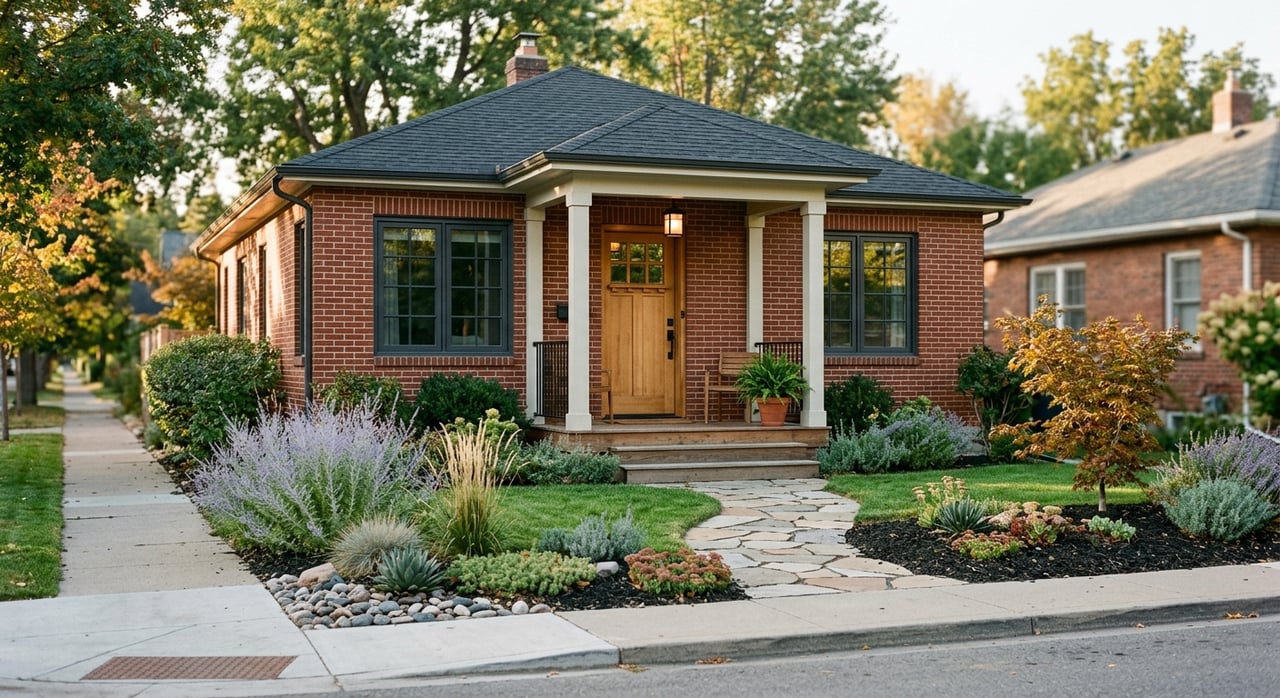
For you, that often means a different tradeoff than you would see in newer suburban communities. Instead of rows of brand-new homes, you are more likely to find older properties with character, smaller lots, and a wider mix of housing types.
If you love the idea of charm, established streets, or a smaller home with a central location, Englewood may feel like a good fit. Older detached homes and attached options can create more realistic entry points than some nearby markets.
If your must-have list starts with new finishes, open subdivision layouts, and lots of newly built inventory, Englewood may feel more limited. This is a market where location and access often matter more than brand-new product.
That does not make one choice better than the other. It simply means your first step should be deciding whether you value newness, space, or convenience most.
One of Englewood’s biggest strengths is how easy it can be to get around. For a south-metro city, it offers a level of transit access that many first-time buyers do not expect.
The city reports that Englewood has two light rail stops, RTD bus service including the frequent Route 0, strong roadway access from US 285 and US 85, and a free city shuttle and trolley system connecting CityCenter, downtown Englewood, the medical district, and civic destinations.
RTD also lists Englewood Station as a free park-n-ride on the D Line with five bus routes, while Oxford-City of Sheridan Station is another D Line stop that also serves Route 51. If your routine includes commuting to downtown Denver, traveling through the medical corridor, or splitting time across the south metro area, that setup can be a real plus.
Buying your first home is not only about square footage or price. It is also about how your daily routine feels once you move in.
Englewood offers a smaller-scale amenity base, but it is still substantial. The city says its parks and open space system covers more than 244 acres and includes Belleview Park, the Englewood Farm & Train, River Run Trailhead, urban trails, a dog park, and a community garden.
The city’s Parks, Recreation, Library & Golf department also oversees the Englewood and Malley recreation centers, the public library, Pirates Cove Aquatic Center, and Broken Tee Golf Course. CityCenter Amphitheater adds another community gathering point next to the light rail station.
For a first-time buyer, this can translate into a practical lifestyle. You have access to public amenities and outdoor space without needing the scale or density of a larger urban core.
Englewood’s CityCenter area is another reason buyers keep it on their radar. The city’s redevelopment plan describes the core as a future transit-oriented village with additional residential, restaurant, retail, civic, and office uses.
That does not mean the entire city will suddenly feel like downtown Denver. It does suggest that Englewood is continuing to build around accessibility, mixed-use development, and day-to-day convenience.
If you are buying your first home with both present needs and future resale appeal in mind, areas with strong transit and evolving community infrastructure can be worth watching closely.
If you are comparing options across the south metro and Denver area, Englewood often lands in a useful middle position. It is less urban than Denver, but more transit-connected and mixed-use than many suburban alternatives.
Littleton has its own appeal, including a historic downtown feel and light rail access. Denver offers the broadest urban lifestyle in this comparison. Englewood sits between them, offering a more manageable price point than both based on March 2026 median sale prices, while still giving you strong transportation access and a practical amenity base.
Here is a quick snapshot:
| City | Median sale price | Key takeaway |
|---|---|---|
| Englewood | $573,750 | Lower starting price in this comparison, with strong transit access |
| Littleton | $627,500 | Higher price point with a distinct suburban and historic downtown feel |
| Denver | $630,000 | Highest price point in this group with the most urban lifestyle |
This price gap does not make Englewood inexpensive. It does mean that if you are trying to stay in the south metro area while keeping your budget more controlled, Englewood may give you a bit more flexibility.
A lower median price does not mean an easy market. Englewood remains competitive.
Redfin reports that homes in Englewood receive an average of two offers and sell in around 18 days. For first-time buyers, that means preparation matters.
You will likely need a clear budget, a focused search, and a strategy for moving quickly when the right home appears. In a fast-moving market, local guidance and strong negotiation can make a meaningful difference.
Englewood tends to work best for first-time buyers who want:
It may be less appealing if you want:
The right fit comes down to your priorities. If your goal is to balance budget, access, and everyday livability, Englewood checks many important boxes.
Before you start touring homes, ask yourself a few simple questions:
If you answer yes to most of these, Englewood could be a strong first-home option.
For many first-time buyers, Englewood offers something hard to find in the Denver area: a lower median sale price than Denver or Littleton, solid transit access, and a mature housing stock with a range of entry points. It is not the best fit for every buyer, especially if your top priority is newer construction, but it stands out for convenience, character, and everyday functionality.
If you are weighing Englewood against other Denver-area options, the smartest move is to compare not just price, but how each location supports your routine, commute, and long-term goals. When you are ready to explore what fits your budget and lifestyle, Kerri Dowling can help you navigate the Englewood market with local insight, responsive guidance, and a strategy built around your goals.
Stay up to date on the latest real estate trends.


We can't wait to connect with you! Your real estate journey starts here, where you'll have the opportunity to sit down with Kerri Dowling for a personalized consultation.